
If you’re reading this at the start of a new year, consider this your permission slip to opt out of the chaos.
Every January, the wellness space gets louder, more extreme, more expensive—and honestly, more ridiculous. Suddenly everyone is selling a “fix,” a fear, or a formula you’re supposedly missing.
This is not a new year, new you post.
This is a new year, less BS post.
Let’s talk about the wellness trends we’re leaving behind, why they exist, and what actually moves the needle for long-term physical and mental health.
Wellness Trends We’re Leaving Behind
1. Protein-Added Everything
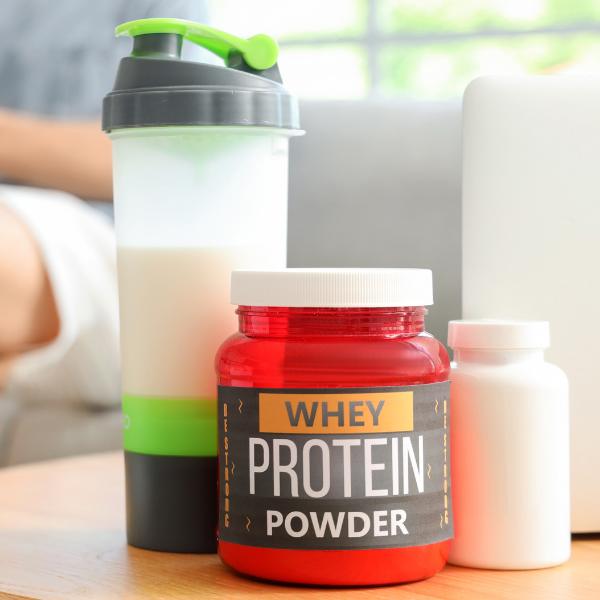
We need to talk about protein foods that make absolutely no sense.
- Protein candy is still candy
- Protein water is not a meal or a snack
- Popcorn with protein dust is expensive and usually tastes terrible
Not everything we eat needs to be functional, optimized, or macro-engineered. You don’t need protein Skittles. You need meals.
This obsession isn’t about health—it’s diet culture wearing a lab coat.
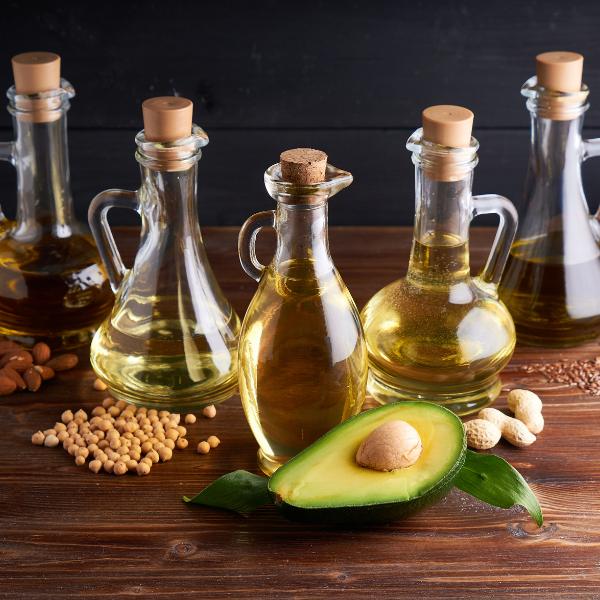
2. Anti-Seed Oil, Pro–Saturated Fat Narratives
This one really gets me.
Saturated fat has decades of research linking excess intake to cardiovascular disease. Seed oils? They also have evidence-based benefits when consumed as part of a balanced diet.
Yet somehow, seed oils are villainized while butter, bacon, and beef tallow are being marketed as health foods.
This isn’t science.
This is cherry-picked data designed to sell fear.
3. The Big Wellness Industry (Yes, It’s a Thing)
The global wellness industry is worth $6.8 trillion.
Trillion. With a T.
Big Wellness sells:
- supplements
- detoxes
- powders
- programs
- fear-based messaging
We love to criticize Big Pharma, but Big Wellness often gets a free pass—even though it’s far less regulated and far more manipulative.
If someone profits from convincing you that your body is broken, inflamed, toxic, or deficient… that deserves scrutiny.
4. “Natural GLP-1” Supplements
Let’s be clear: these are garbage.
GLP-1 medications are regulated pharmaceuticals. They work because of specific mechanisms, dosing, and delivery systems.
No supplement works like a pharmaceutical.
“Natural GLP-1” is a marketing term, not a medical one—and these products exist to:
- tap into weight-loss desperation
- avoid regulation
- take your money
Save it.

5. Extremes That Get Attention, Not Results
Fibermaxxing.
2 grams of protein per pound of body weight.
Three-day water fasts.
Eating only meat.
Extremes go viral because they’re dramatic—not because they’re effective or sustainable.
True story: I once ate an Atkins pasta with over 25 grams of fiber. I ended up curled up in bed in pain.
Eating 60 grams of fiber a day might look impressive on Instagram, but in real life it might just make you miserable.
Extremes don’t have long-term research. They don’t work for normal humans with jobs, families, and digestive systems.
6. Buzzwords Used to Sound Smart
Words like:
- autophagy
- blood sugar
- inflammation
- carnivore
These terms get thrown around to sound authoritative—especially when there’s a supplement link attached.
If someone is using big science words and making money when you buy something… pause.
From Now On, Let’s Stop:
- all-or-nothing thinking
- chasing extremes
- putting unregulated products into our bodies
- believing one food or supplement will change everything
- vilifying seed oils while glorifying saturated fat
- criticizing Big Pharma while ignoring Big Wellness
- fearing aging like it’s a failure
The gray area is where most people thrive.
What to Do Instead This Year
1. Get Consistent With the Boring Basics
They’re not exciting—but they matter:
- sleep
- diet quality
- regular movement
- stress reduction
Most people don’t need hacks. They need consistency.
2. Address the Psychological Side of Food
Your relationship with food matters more than any macro split.
Food rules, guilt, fear, and restriction drive far more health issues than carbs or seed oils ever will.

3. Eat More Plants & Drink Less Alcohol
Simple.
Evidence-based.
Not trendy—just effective.
4. Make Small, Sustainable Changes
Not:
- a total diet overhaul
- a 30-day extreme reset
But:
- one habit
- one meal
- one routine at a time
Small changes compound. Extremes burn out.
5. Learn How the Wellness Industry Works
The more you understand:
- marketing tactics
- fear-based messaging
- influencer incentives
…the harder it becomes for them to take advantage of you.

Final Thoughts
Most of us don’t need:
- fibermaxxing until we’re miserable
- protein candy
- underground peptides
- or “natural GLP-1s”
We need:
- balance
- consistency
- education
- and a lot less noise
This year let’s choose boring, sustainable, evidence-based health—because that’s what actually works.
If this resonated, share it with someone who’s tired of the wellness nonsense too.