
If you’ve ever told yourself:
“I’ve been good all day… I deserve this.”
You’re not alone.
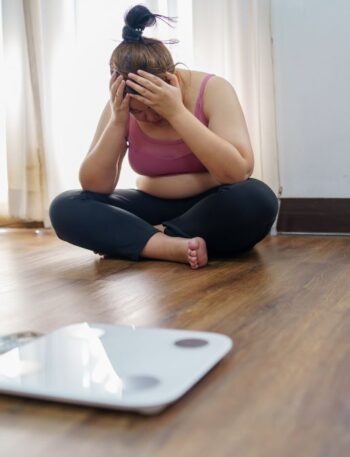
Many people find themselves stuck in a frustrating cycle of trying to be “good” with food all day, only to feel strong cravings later and reward themselves with something sweet or indulgent. Then the guilt kicks in, and the cycle starts all over again.
But here’s the truth: cravings are not a failure.
And food itself is not the problem.
The real challenge often comes when food becomes the only reward, relief, or comfort in your day. That’s when eating starts to feel exhausting instead of enjoyable.
Let’s talk about what cravings really mean and how to break the food-as-a-reward cycle without restriction.
First: Let’s Normalize Cravings
Before we try to “fix” cravings, we need to understand them.
Cravings are completely normal. They do not mean:
- You lack willpower
- You’re addicted to food
- You’re doing something wrong
In reality, cravings usually come from three main sources:
1. Biology
Sometimes your body simply needs energy or nutrients.
2. Restriction
This can be physical restriction (not eating enough) or mental restriction (telling yourself certain foods are off-limits).
3. Emotional or Habit Loops
Food can become tied to stress relief, comfort, celebration, or routine.
Most people experience a combination of all three.
So before trying to eliminate cravings, it’s important to understand what they’re trying to tell you.

The Biggest Reason Cravings Feel Out of Control
Here’s a hard truth many people don’t realize:
Most cravings aren’t about the food.
They’re about deprivation earlier in the day.
If you:
- Skip meals
- Eat very light to “be good”
- Avoid carbohydrates all day
- Wait too long to eat
Your body won’t calmly ask for a small snack later.
Instead, it will demand quick energy.
That’s not a lack of discipline — it’s your body trying to survive.
One of the fastest ways to reduce intense cravings is simply this:
Eat enough, earlier, and more consistently throughout the day.
Balanced meals make a huge difference.
The Sneaky Food-as-a-Reward Cycle
Here’s a pattern I see all the time.
You have a stressful day.
You’re juggling responsibilities, managing a long to-do list, and taking care of everyone else.
You try to “be good” with food all day long.
Then finally you think:
“I earned this.”
At that moment, food becomes:
- The reward
- The break
- The comfort
- The off-switch for the day
And here’s the key point:
The problem isn’t that food feels good.
Food is supposed to feel good.
The issue arises when food becomes the only thing that feels good.
Why “Just Stop Rewarding Yourself with Food” Doesn’t Work
Sometimes people hear advice like:
“Just stop using food as a reward.”
But that’s not realistic.
Food naturally provides:
- Pleasure
- Comfort
- Dopamine
- A moment to pause
If you suddenly try to remove that without replacing it, your brain will simply crave it even more.
Instead of removing food as a reward, the goal is to expand your reward system.
How to Break the Food-as-a-Reward Cycle
Here are a few strategies that can help you shift this pattern without restriction.
Step 1: Fix the Fuel First
Before assuming a craving is emotional, ask yourself a few simple questions:
- Did I eat enough today?
- Did I include protein in my meals?
- Did I eat carbohydrates?
- Did I eat regularly throughout the day?
You cannot mindset your way out of underfueling.
Balanced meals that include protein, carbs, fiber, and healthy fats help regulate hunger and reduce intense cravings later.
Step 2: Delay Without Denying
When a craving hits, try saying:
“I can have this… just not yet.”
Give yourself about 10–15 minutes.
This isn’t about distraction or punishment. It’s simply a pause to check in.
Often cravings soften once:
- You’ve eaten something balanced
- You’ve slowed down
- Your nervous system calms
And if you still want the food afterward?
Eat it without guilt.
Step 3: Add Non-Food Rewards
This is one of the most powerful changes you can make.
Instead of removing food rewards, start asking:
“What am I actually craving right now?”
The answer often isn’t food.
It’s things like:
- Rest
- Quiet
- Comfort
- Fun
- Relief from stress
- A break from responsibility
Some simple non-food rewards could include:
- Sitting outside with a cup of coffee
- Taking a hot shower
- A 10-minute walk
- Stretching
- Reading a chapter of a book
- Going to bed earlier
Food can absolutely still be a reward.

It just shouldn’t be the only one.
Step 4: Remove the “Earned It” Language
One subtle shift that can make a big difference is changing how you talk about food.
Instead of saying:
“I earned this.”
Try reframing it as:
“I’m allowed to enjoy food.”
Food doesn’t need to be justified through suffering, stress, or perfect behavior.
When food becomes more neutral, cravings tend to lose their intensity.
What If Cravings Are Emotional?
Emotional eating often gets labeled as something negative.
But the truth is:
Emotional eating is human.
Food can provide comfort, and there’s nothing wrong with that.
The problem arises only when food becomes your only coping tool.
A helpful question to ask yourself is:
“What would actually help me feel better right now?”
Sometimes the answer might be chocolate.
Other times it might be:
- Rest
- Connection
- Setting boundaries
- Taking a break
You are not broken for wanting relief.
The Big Takeaway
If you remember anything from this discussion, let it be this:
- Cravings are information, not failure
- Consistent fueling reduces cravings more than willpower
- Food doesn’t need to be earned
- You can enjoy food and still feel in control
- Freedom often comes from adding support — not restricting yourself more
Final Thoughts
If you’ve been stuck in the cycle of:
Being “good” → craving → rewarding → guilt → repeat
You’re not alone.
And you don’t need more food rules.
What you likely need is:
- Enough nourishment
- More compassion for yourself
- And permission to care for yourself in more than one way
When you expand how you reward, comfort, and care for yourself, food naturally becomes less loaded and more enjoyable.
And that’s where a healthier relationship with food really begins.